Recognizing the Signs Dementia Is Getting Worse: What Families Should Know About Disease Progression
As dementia progresses, the changes often extend far beyond memory loss. A loved one who once managed daily routines independently may begin struggling with personal care, recognizing family members, or staying safe at home. These moments can leave families wondering whether their current level of support is still enough.
Knowing what to expect during the different stages of dementia can make care decisions more informed and less reactive. In this guide, we'll cover the most common signs that dementia is worsening, explain why those changes occur, and discuss when memory care may be the safest and most supportive option.
Table of Contents
What Are the Signs That Dementia Is Progressing?
Many families begin searching for answers when they notice new or worsening changes in a loved one.
Dementia is a progressive condition, which means symptoms typically become more pronounced over time. Every person's experience is different. Some people decline gradually over several years, while others experience periods where changes seem to happen more quickly.
As dementia advances, everyday routines that once felt manageable may become increasingly difficult. A loved one may forget familiar faces, struggle to express their needs, or require help with activities they once completed independently. Looking at these changes as a whole, rather than focusing on a single incident, can provide a clearer picture of how their care needs are evolving.
Some of the most common signs of dementia progression include:
- Increased memory loss and greater confusion
- Difficulty communicating thoughts and needs
- Challenges with daily activities such as bathing, dressing, eating, and managing medications
- Changes in behavior, mood, or personality
- Wandering or becoming disoriented in familiar places
- Declining personal hygiene
- Difficulty walking, balancing, or moving safely
- Increased dependence on caregivers for daily support
If you're beginning to notice these signs, Spring Home offers compassionate guidance and personalized Memory Care for families seeking additional support.
8 Signs Someone With Dementia Is Getting Worse
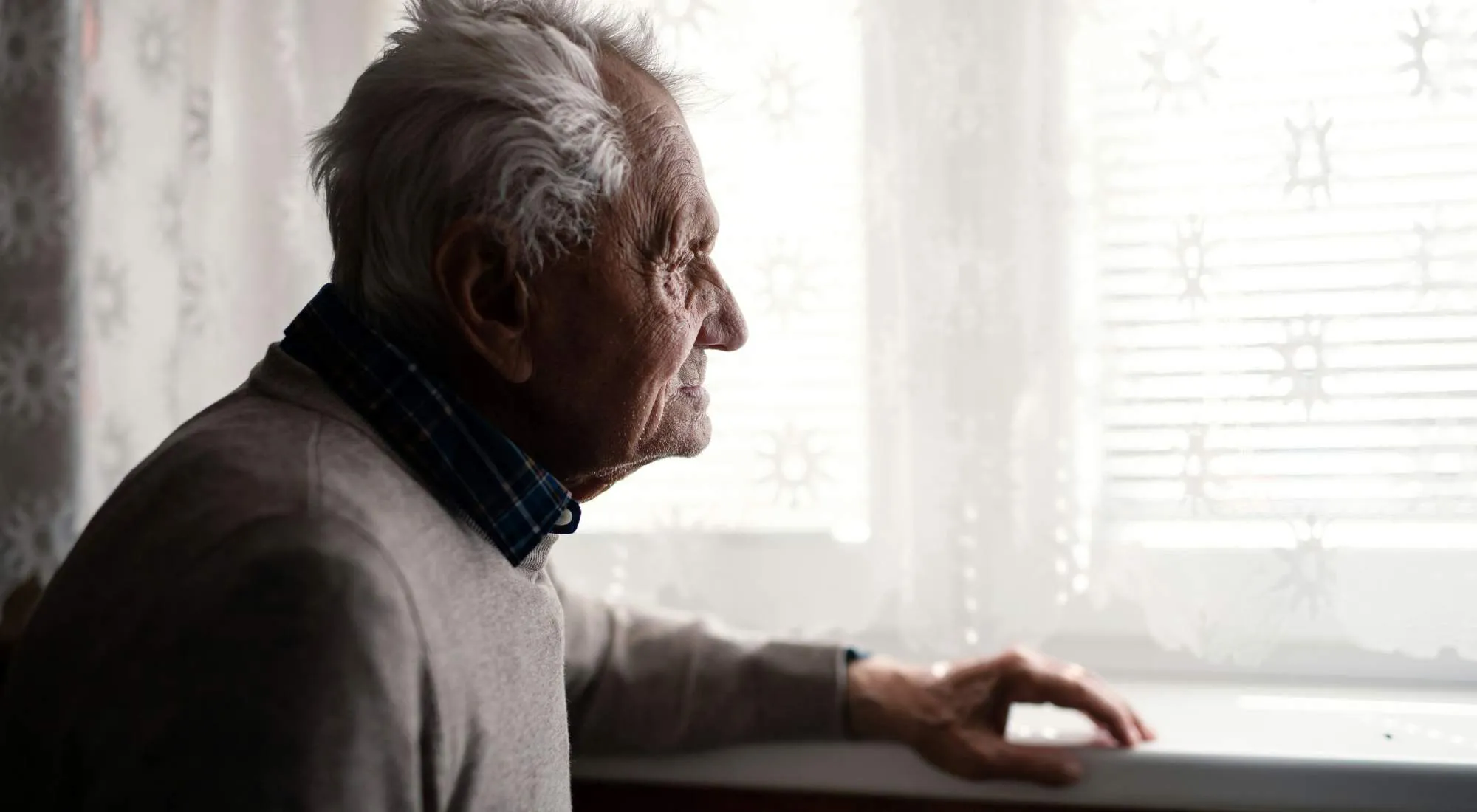
#1: Increased Wandering or Getting Lost
Leaving home unexpectedly is one of the more concerning changes families may notice as dementia advances. A loved one may believe they need to go to work, return to a childhood home, or complete an errand from decades ago. Even familiar grocery stores, neighborhoods, or walking routes can suddenly become confusing.
Beyond getting lost, wandering can expose someone to traffic, extreme weather, or other hazards. If these episodes become more frequent, it often signals that independent living is becoming less safe without regular supervision.
#2: Significant Personality or Mood Changes
Changes in behavior can be just as noticeable as memory loss. Someone who has always been patient may become easily frustrated, while another person may grow unusually suspicious or fearful without an obvious reason.
Some individuals begin accusing loved ones of stealing belongings they have misplaced. Others become distressed when routines change or when unfamiliar people enter their environment.
These reactions stem from changes in the brain rather than intentional behavior, which is why calm reassurance often works better than trying to correct or argue.
#3: Sleep Pattern Disturbances
A changing sleep schedule is common as dementia progresses and can become exhausting for everyone involved.
Many people begin napping for long periods during the day before becoming restless overnight. Others experience sundowning, when confusion and agitation increase during the late afternoon or evening. They may pace the home, repeatedly try to leave, or struggle to settle into bed.
Consistent routines, adequate daytime activity, and professional guidance can sometimes reduce these disruptions, though they often become more persistent over time.

#4: Difficulty Recognizing Family and Friends
Memory loss eventually extends beyond names and appointments. In later stages, the brain may struggle to connect familiar faces with long-held memories.
A parent may recognize a daughter as someone important without knowing exactly who she is. A spouse may mistake their partner for another relative or close friend. While these moments are deeply emotional, they do not necessarily mean the emotional bond has disappeared. Familiar voices, gentle touch, and shared routines can still provide comfort even when names are forgotten.
#5: Declining Mobility and Increased Fall Risk
Dementia can gradually affect coordination, balance, and muscle control in addition to memory.
Standing from a chair may require assistance. Walking across a room can become slower or less steady. Simple tasks like stepping over a threshold or turning around may increase the likelihood of falling.
These physical changes often require modifications to daily routines, additional mobility support, or an environment specifically designed to reduce the risk of falls.
#6: Weight Loss or Changes in Eating Habits
Eating can become surprisingly complicated for someone living with dementia.
Some people lose interest in meals because they no longer recognize hunger cues. Others become distracted before finishing their food or forget they have already eaten. As the disease advances, chewing and swallowing may also become more difficult.
Even gradual weight loss deserves attention because proper nutrition plays an important role in maintaining strength, energy, and overall health.
#7: Increased Dependence on Caregivers
Tasks that once required only a reminder may eventually require hands-on assistance. Families frequently find themselves helping with tasks their loved one previously managed independently, such as:
- Dressing
- Grooming
- Medication management
- Meals
- Toileting
- Transportation
- Household responsibilities
As caregiving becomes more time-intensive, balancing these responsibilities with work, parenting, and personal health can become increasingly difficult. If your family is starting to visit communities, preparing a list of questions to ask during a memory care tour can help you compare options.
#8: Reduced Interest in Hobbies and Social Interaction
Many people gradually disengage from activities that once brought them joy.
A favorite card game may become too difficult to follow. Reading a book can feel overwhelming after only a few pages. Even large family gatherings may become overstimulating, causing someone to prefer quieter surroundings.
Although reduced participation is common, meaningful engagement remains important. Simple conversations, music, familiar pets or children, light exercise, and one-on-one activities often provide enjoyment long after more complex hobbies become difficult.
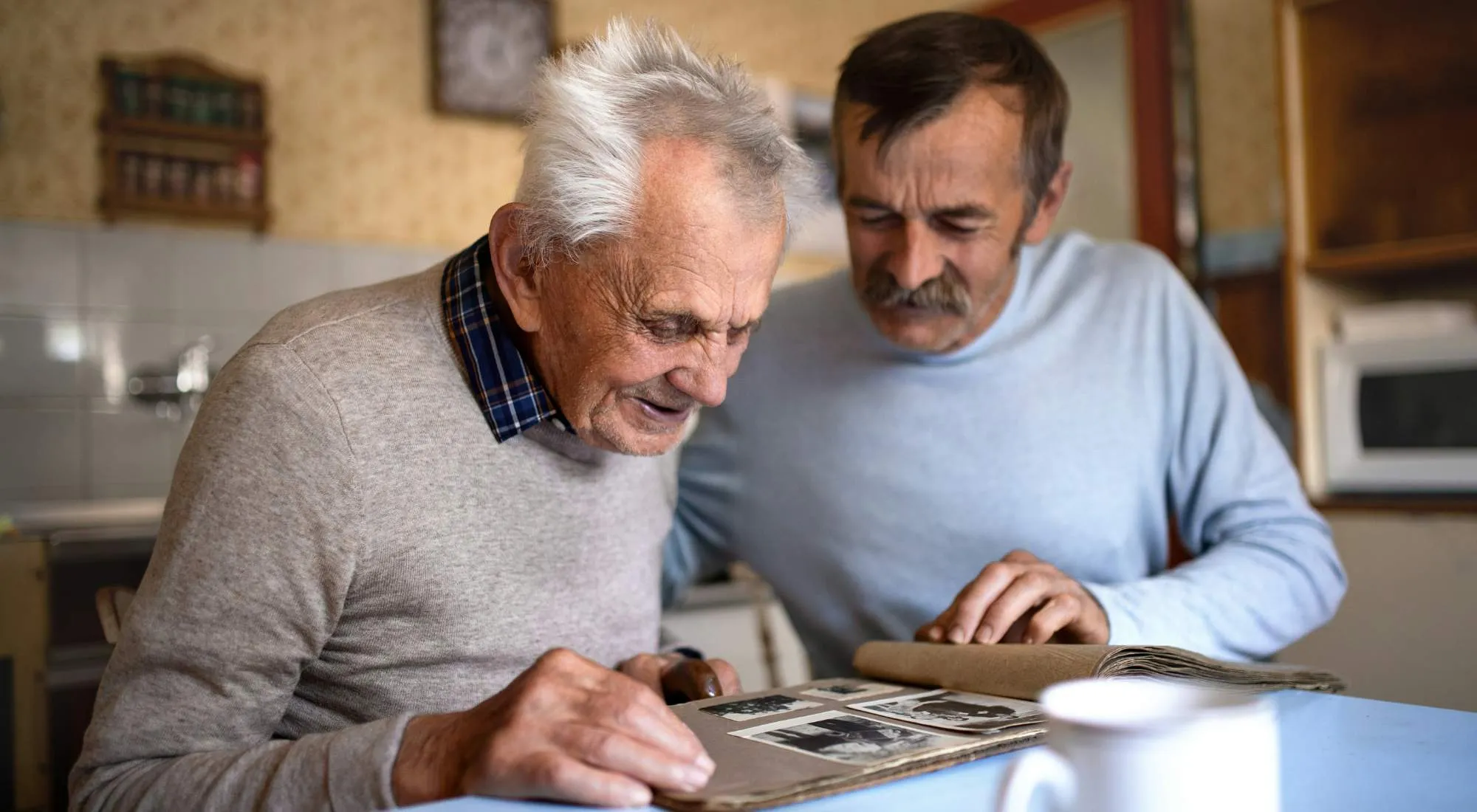
When Families Should Consider Additional Dementia Support
No family expects to become a full-time caregiver overnight. More often, responsibilities slowly increase until providing safe care at home becomes difficult to sustain.
It may be time to explore Memory Care if your loved one:
- Wanders or attempts to leave home alone
- Has frequent falls or increasing mobility challenges
- Misses medications or medical appointments
- Needs help with most daily activities
- Cannot be left alone safely
- Requires supervision throughout the day or night
- Is experiencing frequent medical complications
- Has a caregiver whose own health or well-being is beginning to suffer
Recognizing these changes isn't about giving up. It's about making sure your loved one has the support they need while allowing family members to spend more time simply being family.
Spring Home: Supporting Loved Ones Through Every Stage of Dementia
Finding the right Memory Care community is about compassionate caregivers, meaningful daily engagement, and an environment where your loved one feels safe and respected.
Spring Home provides personalized Memory Care for individuals living with Alzheimer's disease and other forms of dementia, as well as Assisted Living for seniors with diverse needs. Our community also offers pet-friendly living and accommodations that can help spouses remain together when appropriate.
Contact us today to schedule a tour or consultation for your loved ones.