Keeping Minds Bright: Engaging Memory Care Activities
Watching a loved one navigate memory loss is one of the most difficult experiences a family can face. You may find yourself wondering what a good day looks like for them now and how to help them feel joyful, calm, and truly present.
The answer, backed by a growing body of research, often begins with meaningful activity.
Purposeful engagement is not simply a way to fill the hours. Memory care activities are structured experiences designed to support:
- Cognitive function
- Emotional well-being
- Quality of life
In this guide, we will walk you through the best types of memory care activities, the benefits behind them, and how to choose the right fit for your loved one at every stage of their journey.
Table of Contents
- What Are the Best Memory Care Activities?
- 8 Fun and Engaging Activities for Memory Care Patients
- Tips for Choosing the Right Memory Care Activities
- Spring Home: Providing Meaningful and Fun Memory Care Activities for Patients in All Stages of Dementia
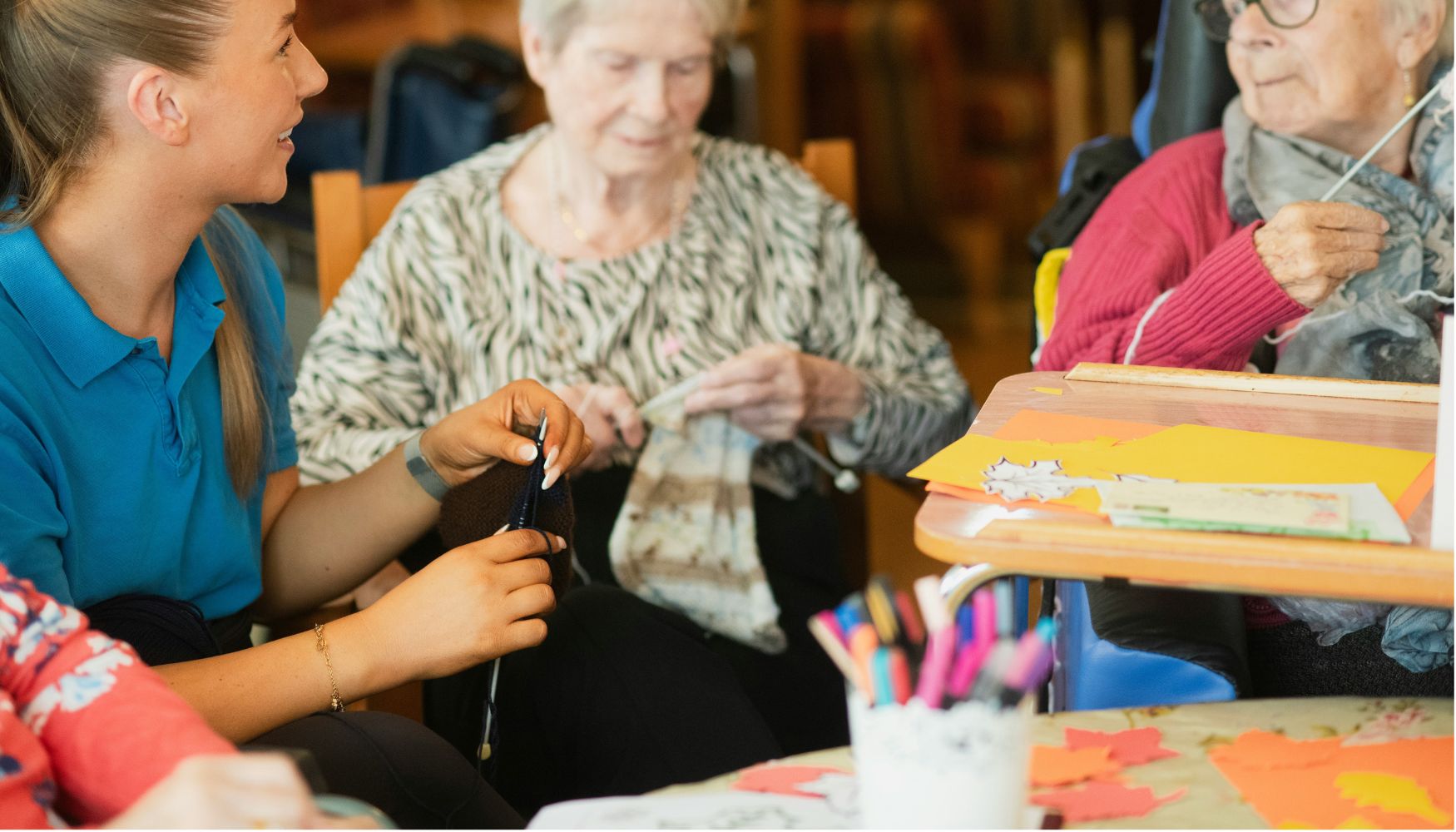
The stage of dementia plays an important role in determining which activities are the best fit. The best memory care activities are personally meaningful, appropriately paced, and adapted to where a person is in their dementia journey.
Activities typically include:
- Music
- Gentle movement
- Creative expression
- Reminiscence
- Sensory engagement
- Social connection
What matters in every stage is that the activity honors the whole person, not just their diagnosis. At Spring Home, our programming is thoughtfully designed around these proven approaches so every resident experiences days filled with purpose.
Top Benefits of Memory Care Activities
Research consistently shows that the right activities make a measurable difference in how people living with dementia feel and function day to day.
Some of the top benefits of memory care activities include:
- Social interaction – Group activities and shared experiences reduce isolation, which is a significant risk factor for accelerated cognitive decline. A nine-year study of more than 5,000 Medicare beneficiaries found that the risk of developing dementia was 27% higher among socially isolated older adults compared with those who were not socially isolated. Engaging with others in a supported setting helps residents feel connected and valued.
- Reduced stress and anxiety – A study found that music therapy improves behavior disorders, anxiety, and agitation in individuals diagnosed with dementia, and similar calming effects have been observed across sensory and reminiscence-based activities.
- Cognitive support – Cognitive stimulation therapy is one of the few non-pharmacological interventions for dementia supported by randomized controlled trials, with research showing it can improve cognitive function and quality of life for people with mild to moderate dementia.
- Physical movement and emotional well-being – Studies suggest that exercise may be an effective way to reduce cognitive decline in later life, and several have found that people who remained physically active at age 70 experienced less brain shrinkage over three years than those who were not active.
.jpg)
#1: Music
Music may be the single most accessible and powerful tool in memory care and can be an especially meaningful bridge between caregivers and residents.
Research found that musical abilities can be preserved in individuals with Alzheimer's even when language has been lost.
Personalized playlists tied to meaningful life chapters, live musical performances, group sing-alongs, or even gently tapping a rhythm on a drum are all wonderful ways to bring this activity to life.
Through music, residents can find a way to connect with emotion and memory when words may feel out of reach.
#2: Arts and Crafts
Creative projects give residents a way to express themselves and feel accomplished, all while engaging their fine motor skills.
Approachable arts and crafts at a variety of ability levels can include:
- Seasonal decorations
- Scrapbooking with family photos
- Simple painting
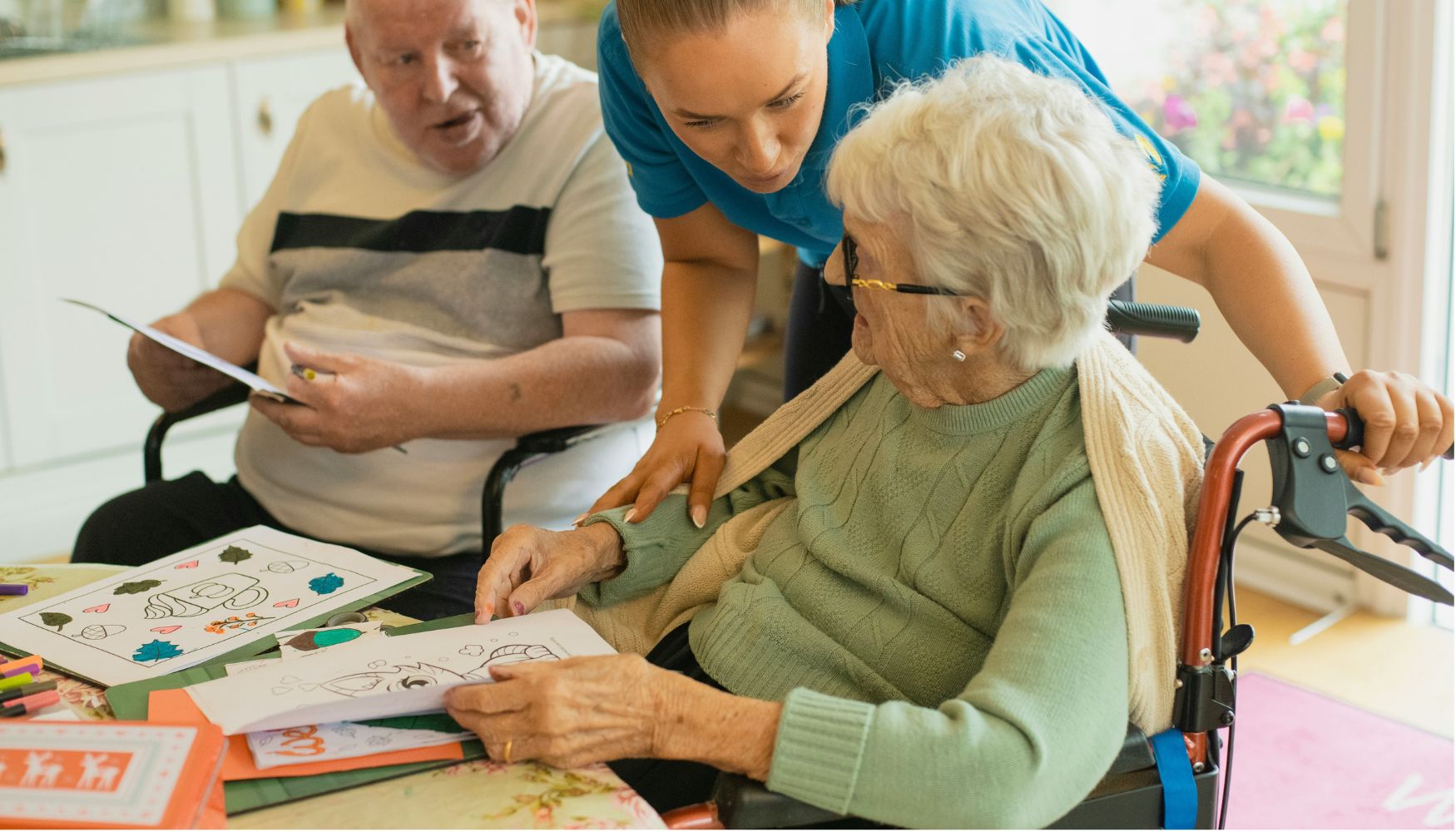
- Coloring pages
A meta-analysis of randomized controlled trials found that art-based interventions can improve cognitive function and quality of life in people with dementia.
Remember, the goal is always the process, not the product. A finished paper wreath or painted card carries real meaning for the person who made it.
#3: Brain Games and Puzzles
Cognitive stimulation therapy guides people with dementia through themed activities to promote continued learning and support working memory.
Keep the mind active in a low-pressure way with games like:
- Word searches
- Simple matching games
- Large-piece jigsaw puzzles
- Trivia cards tied to a resident's era or interests
- Picture-based memory games
Research shows that brain games and puzzles can improve cognitive function, communication skills, and self-worth.
Gentle cognitive challenges can support mental engagement without causing frustration. Matching the difficulty level to the individual is key.
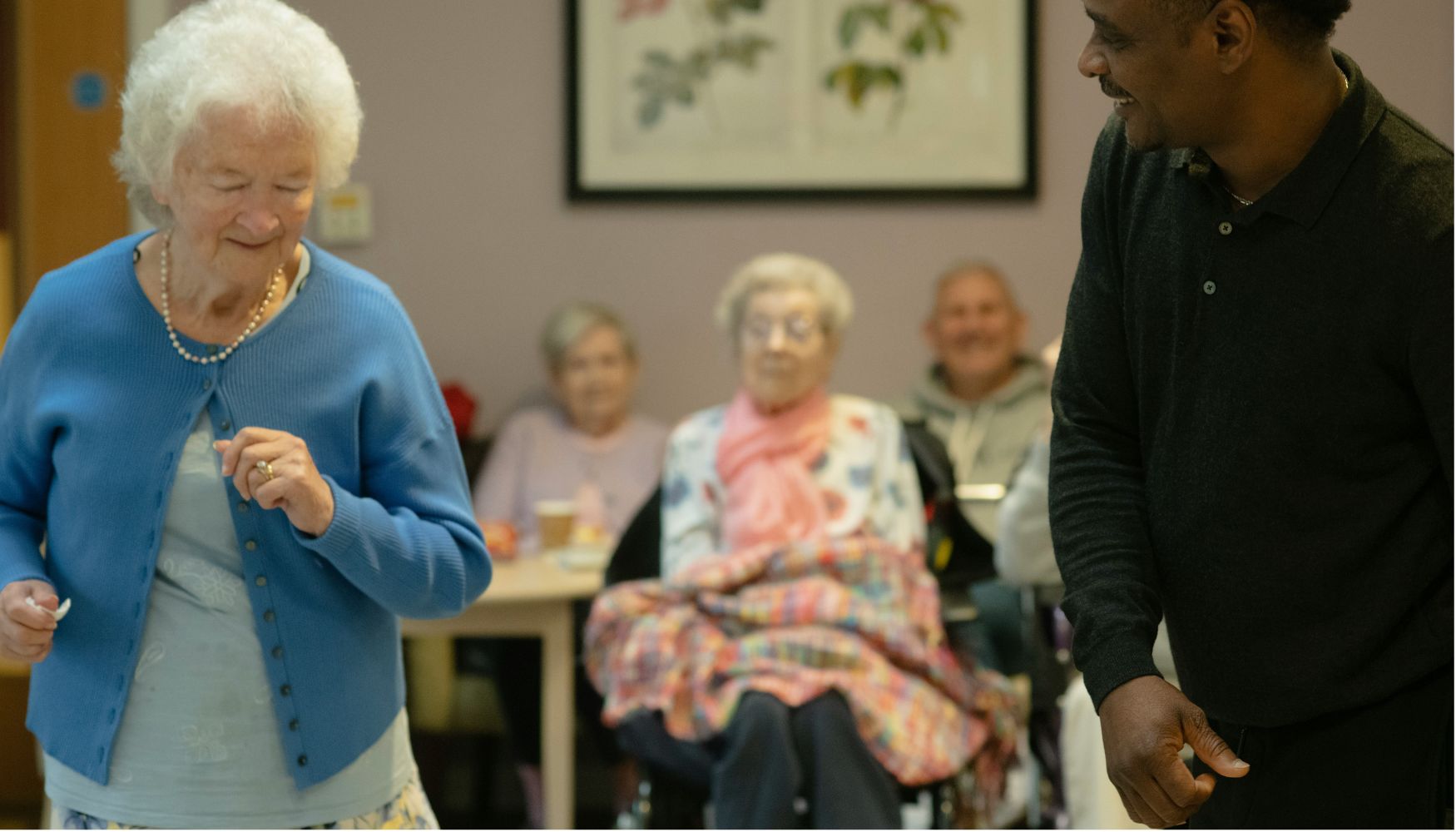
#4: Gentle Physical Activities
Movement supports both the body and brain.
Physical exercise is considered one of the most promising and accessible strategies for delaying cognitive decline in individuals with Alzheimer's disease.
Physical activities can include:
- Walking groups in a safe garden or hallway
- Chair yoga
- Stretching routines
- Simple movement games
- Gentle aerobic activity
- Light resistance training
Even light daily movement can improve mood, sleep quality, and physical comfort for residents at any stage.
#5: Sensory Activities
Sensory engagement is deeply grounding, particularly for residents in middle or later stages of dementia who may be experiencing heightened agitation or anxiety.
As with cognitive stimulation, research supports the view that sensory activities can lead to meaningful psychological and cognitive gains for older individuals, including those in institutional care settings.
These activities all offer comfort through the senses and don’t require words, which makes them beautifully accessible:
- Sensory bins filled with familiar textures
- Gentle hand massages
- Tending to a small garden
- Arranging flowers
- Aromatherapy with calming scents like lavender
#6: Cooking and Baking
Familiar kitchen tasks carry rich sensory memories and a rewarding sense of contribution. The aromas, textures, and familiar motions involved in cooking and baking often spark joyful recall and a genuine sense of purpose.
With supervision and thoughtful setup, activities like the following can remain safe and enjoyable for every participant:
- Simple snack preparation
- Stirring and mixing ingredients
- Decorating cookies
- Rolling dough
#7: Reminiscence Activities
Reminiscence activities invite residents to revisit meaningful moments from their lives, which can be deeply comforting and connecting.
A study found that reminiscence therapy significantly improved overall cognitive function and showed meaningful benefits for depression, memory, and quality of life in older adults with cognitive disorders.
Caretakers can create reminiscing activities through guided storytelling and watching classic films or television programs.
Families can also be powerful partners here by bringing in old photos, favorite music, or cherished items from home to build a personal memory box.
#8: Social and Group Activities
Shared experiences are essential to emotional well-being. Community and social connection reduce isolation and give residents consistent, joyful anchors throughout their week.
You can foster a sense of community and belonging with activities like:
- Game nights
- Holiday celebrations
- Intergenerational visits
- Pet therapy
- Group art or music therapy sessions
The Alzheimer's Association's 2025 Facts and Figures Report estimated that 7.2 million Americans aged 65 and older are currently living with Alzheimer's dementia, and purposeful social programming remains one of the most valuable tools available to support them.
Choosing the right memory care facility with activities to support your loved one doesn’t need to feel overwhelming.
Memory care activities should be implemented using a few guiding principles:
- Consider their stage of dementia – Earlier stages often allow for more complex, conversation-based activities. As dementia progresses, simpler, sensory-focused, and familiar experiences tend to work best.
- Honor their individual interests – The most meaningful activities are rooted in who a person already is. Personal history is the best activity guide you have.
- Keep it simple and calm – Avoid activities that involve too many steps, loud environments, or time pressure. Overstimulation can increase anxiety and agitation.
- Prioritize safety and comfort – All activities should be physically safe and emotionally supportive.
- Encourage, never pressure – Some days a resident may not want to join in, and that is completely okay. A warm invitation and a calm presence are always more effective than coaxing. Participation should always feel like a choice.
At Spring Home, we believe every person living with dementia deserves days filled with joy, connection, and dignity.
Our memory care programming is built around these very activities and approaches, thoughtfully personalized to reflect each resident's history, preferences, and current abilities.
Whether your loved one is in the early stages of their journey or needs deeper support, our team is here to walk alongside your family with compassion and intention.
We would be honored to tell you more about how we care for the whole person. Reach out to Spring Home today to learn more or schedule a visit.
The content in this blog is not intended to be a substitute for professional medical advice, diagnosis, or treatment. Always seek the advice of your physician or other qualified health provider with any questions you may have regarding a medical condition.