Do Assisted Living Facilities Have Doctors?
Picture a small orange bottle on the kitchen counter: blood pressure medication, taken every morning at 8 a.m. without fail. Now picture that same bottle in a new room, in a new building, with new faces around. Who checks that it gets taken? Who notices if a dose gets missed?
Families researching assisted living ask this question more than almost any other. It's a fair one, and the answer takes a little explaining.
Most assisted living communities don't have a doctor sitting behind a desk down the hall, available at any hour. Medical oversight still happens, just through a different structure: nursing staff, visiting physicians, residents' own doctors, and clear protocols for when something goes wrong. This article covers how that works day-to-day, from medication support to emergency response.
Table of Contents
- Do Assisted Living Communities Have Doctors on Staff?
- Do Doctors Go to Assisted Living Facilities?
- How Medication Management Works Without a Doctor On-Site
- What Happens in a Medical Emergency at an Assisted Living Community?
- New Jersey's Requirements for Medical Oversight in Assisted Living
- 3 Questions to Ask About Medical Care When Touring a Community
- Find Coordinated, Compassionate Medical Care at Spring Home
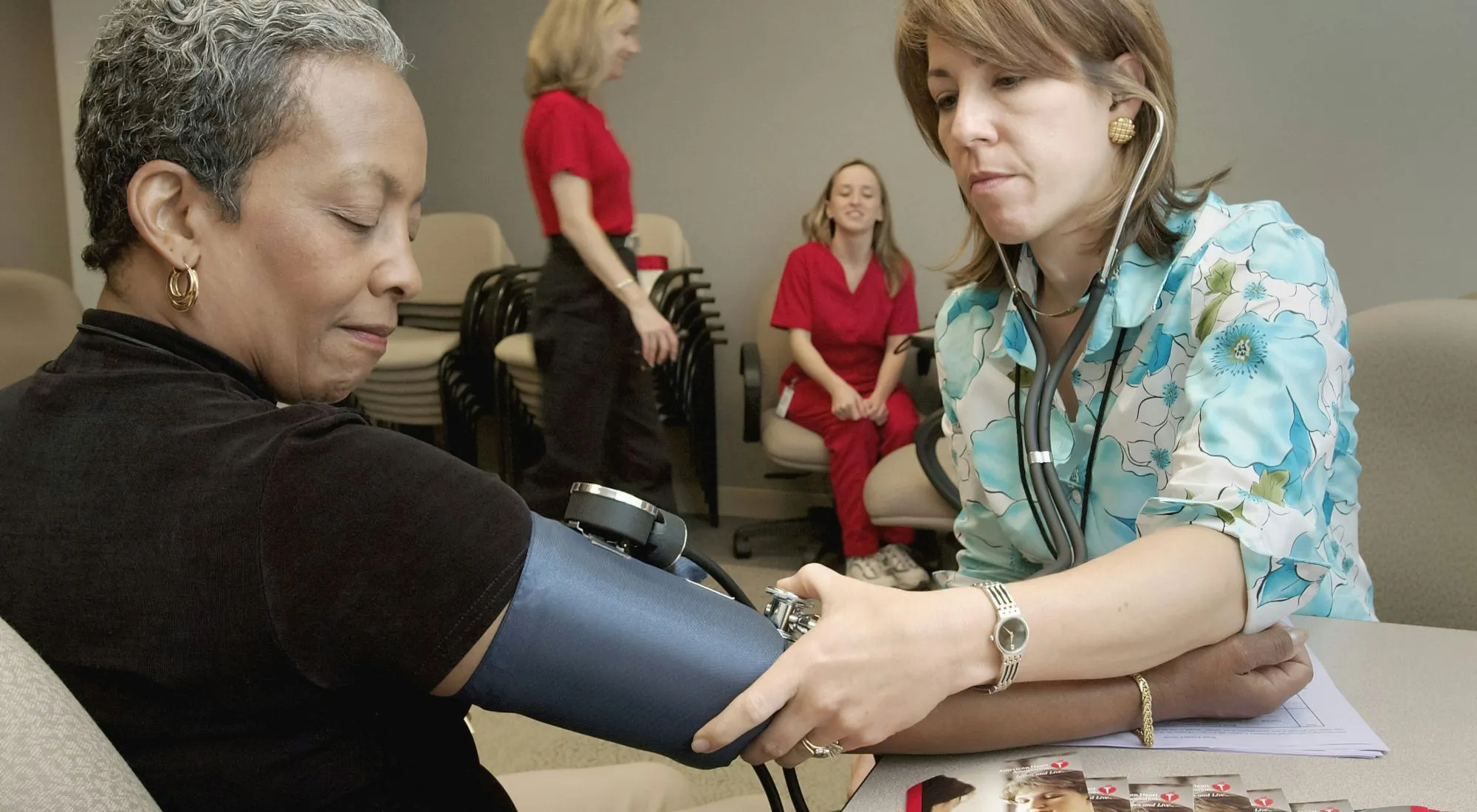
Do Assisted Living Facilities Have Doctors on Staff?
Most assisted living communities do not employ a full-time, on-site doctor. This is generally true across the assisted living industry.
Medical oversight typically comes from three sources working together:
- A licensed nurse, often on-site during set weekday hours
- A supervising physician or nurse practitioner who reviews care plans and signs off on orders
- Residents' own outside doctors, who continue managing primary and specialist care
This setup is the standard model. Assisted living is built for seniors who need help with daily activities like bathing, dressing, or medication reminders, but don't require the round-the-clock skilled nursing care found in a hospital or nursing home. Knowing that distinction upfront helps families set realistic expectations for what a community can offer.
At Spring Home, families are encouraged to ask specific questions about how our care team communicates with residents' doctors, manages medications, and responds when health needs change.

Do Doctors Go to Assisted Living Facilities?
Yes, but typically as visiting providers rather than full-time staff. A physician or nurse practitioner may visit on a set schedule, review resident charts, and adjust care orders as needed. Residents can also keep seeing their own outside doctors for primary care or specialist visits.
This visiting-provider model runs in cycles rather than a constant presence. A supervising physician might come through weekly or biweekly to check in on residents whose conditions need closer attention, sign off on updated orders, and update nursing staff on anything that's changed. A resident who's always seen the same cardiologist or primary care doctor can keep that relationship going too, either through scheduled outside appointments or a visit arranged at the community. Both systems run alongside each other.

How Medication Management Works Without a Doctor On-Site
For many families, medication management is one of the biggest concerns when considering assisted living. Depending on the community and a resident’s individual needs, licensed nurses or qualified medication aides may help manage medications according to a physician’s orders and the resident’s care plan. This added support can help residents stay on schedule while giving families greater peace of mind.
The two roles differ in scope. A licensed nurse can assess symptoms, adjust timing within a doctor's parameters, and flag concerns that need physician input. A certified medication aide follows a more defined set of steps, verifying the right medication, dose, and resident before every administration.
The daily process generally includes:
- Verifying physician orders match what's being given.
- Logging every dose administered, with time and staff initials.
- Watching for side effects or missed doses and reporting them.
It’s common for residents in assisted living to manage more than one chronic condition, from heart disease to diabetes to arthritis, often with multiple prescriptions running at once, making careful medication management especially important. Staying engaged also helps. Structured routines, cognitive engagement, and caregiver support can all help residents stay more consistent with daily care habits, including medication routines.
What Happens in a Medical Emergency at an Assisted Living Community?
When something goes wrong, staff follow a set protocol: assess the resident, contact the on-call nurse or physician, and call 911 or coordinate hospital transport if the situation calls for it. A well-run community practices, documents, and follows through on that protocol consistently, which is what separates it from one that reflexively sends every resident to the ER.
Research has pointed to a documented pattern of residents being shuttled unnecessarily to emergency rooms in communities without consistent on-site medical assessment, an expensive and disruptive cycle that a stable nursing presence and clear internal protocols can often prevent.
A resident with a fall, sudden change in behavior, or spike in blood pressure needs a clear assessment process before the next step is determined. A nurse trained to assess the situation on-site can often determine whether it's something to monitor, something for the on-call physician to weigh in on, or something that genuinely needs a hospital.
New Jersey's Requirements for Medical Oversight in Assisted Living
Assisted living is regulated at the state level, not by the federal government, so requirements can look completely different depending on where a community is located.
New Jersey sets specific standards around nursing oversight, medication administration, and resident assessments for licensed assisted living communities. Spring Home, an assisted living community in Galloway, NJ, meets these standards as part of maintaining its license to operate. As residents' needs change over time, some may need a step up in support, including more hands-on assistance with daily living or a transition into structured daily routines in memory care for those living with dementia or Alzheimer’s.
Spring Home offers both Assisted Living and Memory Care, so families don't have to start over with a new community if a loved one's needs become more complex.

3 Questions to Ask About Medical Care When Touring a Community
These three questions can give you a clearer picture of how a community supports residents’ health and coordinates their care.
#1: Who Oversees Medication and How Often?
Ask whether a licensed nurse is on-site each day or follows a set schedule, including what coverage looks like during evenings and weekends. It’s also helpful to understand how the community tracks and reports medication errors and whether a physician regularly reviews residents’ care plans. If so, ask how often those reviews take place and how families are kept informed when care needs change.
#2: What Happens After Hours or on Weekends?
After-hours care can be a source of concern for families, so a well-prepared community should be able to clearly explain what happens when a resident needs help overnight. Ask who is available after hours, how quickly they can respond, and whether telehealth or on-call nursing is part of the plan. You can also ask for a specific example of how the community recently handled an overnight health concern to get a better sense of what you and your loved one can expect.
#3: How Do You Coordinate With My Loved One's Own Doctor?
Clear communication between a resident’s outside physician and the community’s care team can help keep care consistent as needs change. Ask how medical records and updates are shared after outside appointments, who follows up on new prescriptions or referrals, and how important changes are communicated to the appropriate team members. For couples who live together but see different providers or need different levels of support, you’ll also want to ask how the community coordinates each spouse’s individual care needs.
Find Coordinated, Compassionate Medical Care at Spring Home
Quality care in assisted living isn’t defined by having a doctor’s office down the hall. It comes from attentive team members who get to know your loved one, recognize when something has changed, and communicate with the physicians and other healthcare providers involved in their care.
At Spring Home, that continuity is central to how our care team operates. Residents and couples across our Assisted Living and Memory Care programs are supported by a care team that helps coordinate with outside physicians, follows each resident's documented medication plan, and pays close attention to changes in daily comfort, routines, and care needs. If you're still working through whether it’s the right time to consider assisted living, our team is happy to talk through where your loved one is in that process.
We'd be glad to walk your family through exactly how our care team works with residents' doctors, day and night. Click the button below to contact us and schedule a tour.