Beyond the Numbers: The Average Age for Assisted Living
In the beginning, everything seems normal. You visit your parent every weekend, sometimes with your children. You spend a pleasant evening together and enjoy a meal, which is your parent’s favorite way to connect. After dinner, you head home and look forward to your next visit.
But then, one day, things are different. The house is messy, the refrigerator is almost empty, and your parent seems tired, distant, or just not like themselves.
You begin to wonder if your parent is still managing well on their own. Maybe they have trouble with daily tasks, forget to take their medicine, or spend more time alone than before. As you think about assisted living, you might ask: What is the average age for assisted living?
Age can give you a rough idea of when your loved one might be ready to move to assisted living, but it isn’t the only deciding factor. Their health, ability to handle daily tasks, safety, social needs, and the support they have at home are often more important. Knowing these signs can help you see when extra support might make life better for your loved one.
Table of Contents
- What Is the Average Age for Assisted Living?
- What Is the Best Age To Move To Assisted Living?
- 6 Factors That Influence the Age Seniors Move to Assisted Living
- Age Matters Less Than the Level of Support Someone Needs
- What Support Does Assisted Living Provide?
- Find Assisted Living Support That Fits Your Loved One’s Needs at Spring Home
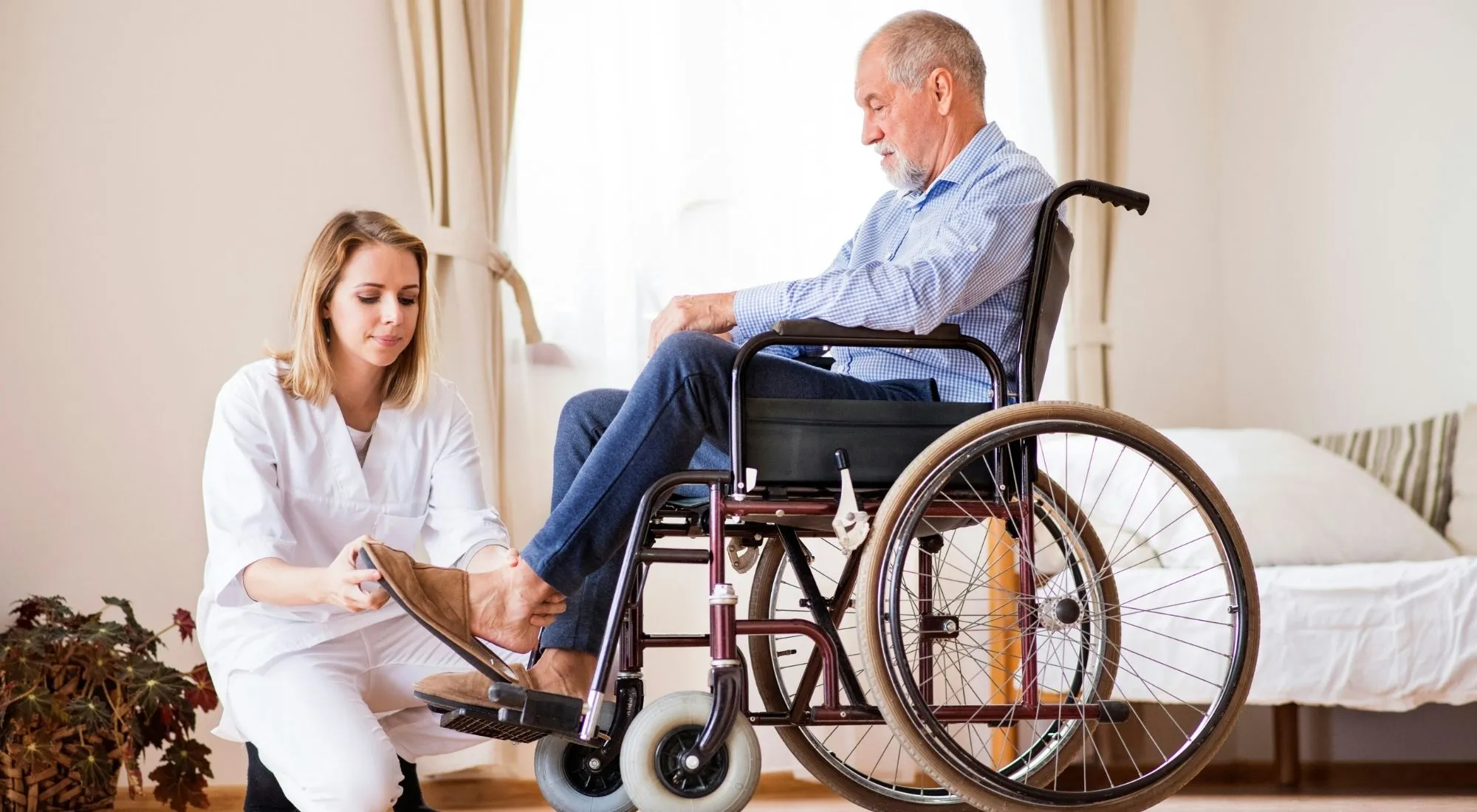
The average age for assisted living is generally in the mid-80s, with most residents in their 80s or older. A 2022 study from the National Center for Health Statistics found that 53% of residents in US residential care communities were 85 or older, 31% were between 75 and 84, and 10% were in their mid-60s to mid-70s.
While assisted living is most common for people in their 80s or older, some people move in at other ages depending on their needs. The study referenced above also showed that nearly 62% of residents needed help with three or more daily activities.
There isn’t a single right age to move into assisted living. Many people make this choice later in life, but it’s about more than age. When thinking about long-term care, consider the person’s health, needs, and preferences.
Assisted living can help when it gets hard to handle daily tasks such as bathing, getting dressed, or taking medicine by yourself.
Safety is another important thing to consider. If you or your loved one has frequent falls, trouble moving around at home, or feels uneasy when alone, extra support could help keep them safe and improve their well-being.
#1: Increasing Physical Challenges
As people age, physical changes can make it more difficult for them to live safely and independently at home. Extra support may help if they are at risk for things like:
- Frequent falls
- Reduced mobility
- Difficulty using stairs
- Trouble getting dressed
- Increasing difficulty moving safely around the home
One isolated event does not always mean you or your loved one need to move to assisted living. However, if falls or trouble with daily tasks keep happening, it may be time to think about assisted living.
#2: Difficulty Managing Daily Activities and Medications
If a senior starts having trouble with activities of daily living, it may mean they need extra help. Families should watch for problems with basic self-care and with tasks needed to live on their own.
Some signs to look for are:
- Trouble bathing, dressing, or grooming
- Difficulty using the toilet
- Trouble cooking or eating independently
- Missed or mismanaged medications
- Difficulty managing bills or finances
Missing a medication or forgetting a bill once does not always mean a senior needs assisted living. But if these problems happen more often, it could mean that living alone is no longer the right choice. Families should notice these changes over time instead of waiting for a crisis.
#3: Changes in Memory, Judgment, or Behavior
Changes in memory, judgment, or behavior can be serious because they might affect a senior’s ability to live safely on their own. Families may notice signs like these:
- Missed or mismanaged medications
- Getting lost in familiar places
- Leaving appliances, faucets, or doors unattended
- Repeated confusion
- Poor judgment or unsafe decisions
- Changes in mood, personality, or behavior
It’s normal for people to forget things once in a while as they get older, and this does not always mean someone has dementia. Still, if you notice ongoing or worsening changes, it’s wise to talk to a healthcare professional. You might also want to look into a community that specializes in memory care.

#4: Nutrition, Home Maintenance, and Safety Concerns
If you notice changes around a senior’s home, it could mean they are having trouble managing on their own. While it helps to see if their home is clean and organized, it’s even more important to watch for patterns that might point to problems with nutrition, money, keeping up the house, or safety.
Signs to watch for may include:
- Spoiled or expired food
- Skipped meals or an empty kitchen
- Unexplained weight changes
- Unpaid bills or unopened mail
- Increased clutter
- Neglected household repairs
- Poor lighting or fall hazards
- Unsafe or unsanitary living conditions
Sometimes, seniors keep these problems to themselves because they are afraid that speaking up might mean losing their independence. This is why families should respond with understanding and kindness instead of criticism.
#5: Loneliness and Social Isolation
Assisted living is not only for seniors who need help with daily tasks. It may be a great option for people living alone who feel lonely or isolated, especially if they don’t drive anymore, have lost loved ones, or find it difficult to get out. Signs of isolation might include spending more time alone, losing interest in hobbies and favorite activities, or missing their routines.
Assisted living communities provide a variety of social activities, like shared meals and opportunities to make friends, that help seniors stay connected and find purpose. Assisted living can help couples stay together while making sure each person gets the support they need.

#6: Caregiver Burnout
Caring for an aging loved one can be physically, mentally, and emotionally challenging, especially when families are also juggling work, parenting, and other daily tasks.
Family caregiving situations often change as time goes on. If you see signs like missing work, feeling worn out, or more tension in your family, it could mean the current setup is not working well. When this happens, it might be a good idea to look into professional care.
Seeking extra support does not mean you are abandoning your loved one. In fact, moving them to assisted living can help everyone in the family have stronger relationships and ensure your loved one receives good care.

Age itself doesn’t determine if someone should move to assisted living. What’s more important is how much help they need to stay safe, comfortable, and involved in daily life. Assisted living is set up so seniors can keep as much independence as possible while still getting help with everyday tasks.
The amount of support a person needs can help decide which type of care is best. Assisted living is usually for people who need help with daily tasks but do not need the more advanced medical care found in nursing homes. Learning about the differences between assisted living and nursing homes can help families choose the right option for their loved ones.
Assisted living gives seniors the chance to stay independent while getting help with daily tasks. Depending on what they need, residents can receive support with:
- Bathing, dressing, and grooming
- Medication reminders and routines
- Meals and nutrition
- Housekeeping and laundry
- Transportation to appointments and errands
Activities and services can be different from one community to another, and seniors may want or need different kinds of help. That’s why families should ask how each community creates care plans, what services are included, and how these plans are updated if needed.
At Spring Home, we believe you should never have to give up your independence or sense of self to get the support you need. As one of New Jersey’s top-rated assisted living communities in Galloway, NJ, we offer caring, personalized support in a warm and friendly setting. Our team helps with daily routines and care, while also encouraging personal choices, meaningful relationships, and a rewarding everyday life.
Whether you’re looking into assisted living for yourself or a loved one, our team at Spring Home is ready to help. If you’re wondering about the average age for assisted living or whether it may be the right time to consider additional support, we’re here to answer your questions. Reach out to learn more about our community, talk about your care needs, or set up a visit to see why Spring Home can feel like your home.