8 Reasons To Choose an Assisted Living Facility With Physical Therapy
Watching a parent struggle with balance, strength, or recovery after a fall or surgery is hard, and finding the right level of support can feel overwhelming.
The good news is that assisted living communities offering physical therapy give seniors a real path back to independence, built around their specific needs and goals.
In this article, we'll walk through what assisted living with physical therapy actually looks like, who benefits most, and eight key reasons families are choosing this option for their loved ones.
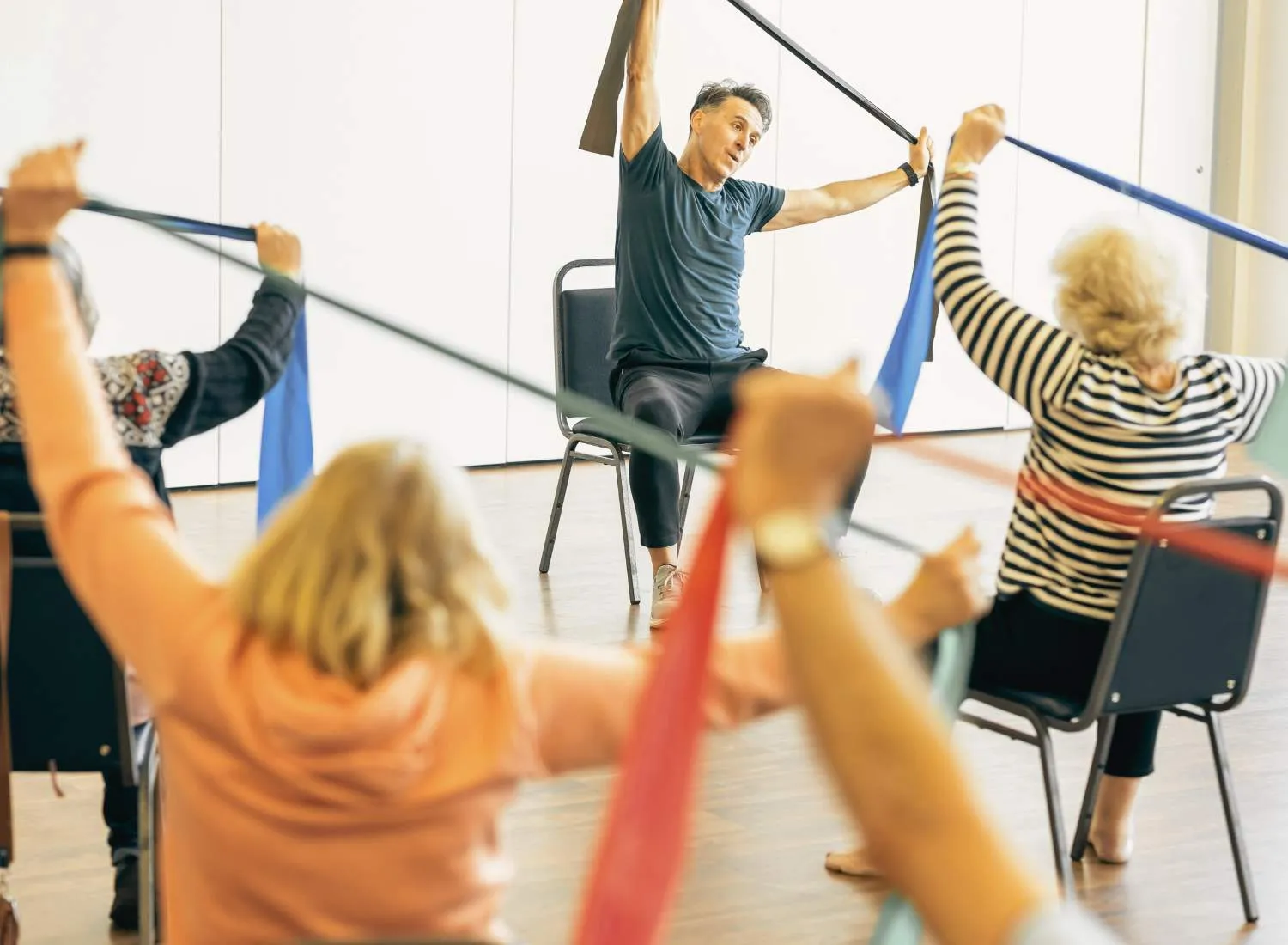
Table of Contents
- What Is Assisted Living With Physical Therapy?
- Who Benefits From Assisted Living Facilities With Physical Therapy
- 8 Benefits of Assisted Living With Physical Therapy
- Spring Home: Meeting the Needs of Our Residents Through Specialized Physical Therapy Programs
Assisted living with physical therapy brings together two things seniors need most: a supportive place to live and access to hands-on clinical care that keeps them moving well. Instead of choosing between independence and rehabilitation, residents get both under one roof.
In practice, this means licensed physical therapists work directly with residents, either as part of the community's own team or through a visiting home health or outpatient provider. They evaluate each person's mobility, strength, and specific health history, then build a plan around what that resident actually needs.
Sessions typically focus on a few key areas:
- Building strength in major muscle groups
- Improving joint flexibility and range of motion
- Increasing endurance for daily tasks
- Sharpening balance to reduce fall risk
The goal isn't just physical improvement for its own sake. It's helping residents move through their day safely, whether that's walking to the dining room, getting in and out of a chair, or simply feeling steady on their feet again.
At Spring Home, physical therapy is woven directly into our approach to senior care, so residents don't have to choose between comfort and clinical support. They get both, right where they live.

Physical therapy in assisted living supports a wide range of seniors, including:
- Seniors recovering from surgery: Hip replacements, knee replacements, and fracture recovery all call for guided rehabilitation to rebuild strength and restore movement safely.
- Those managing neurological or chronic conditions: Residents recovering from a stroke, living with Parkinson's disease, or experiencing general muscle weakness benefit from ongoing mobility training tailored to their condition.
- Seniors at risk of falling: Learning to use a cane or walker correctly, along with targeted balance work, helps reduce fear of falling and builds everyday confidence.
At Spring Home, our physical therapy program is designed around each resident's specific goals, whether that's regaining strength after surgery or simply feeling more confident on their feet. Our care team works closely with residents and their families to make sure therapy fits naturally into daily life.
#1: Tailors Exercises to Specific Needs
No two residents start from the same place, which is why physical therapy in assisted living always begins with an assessment. A licensed therapist evaluates mobility, strength, and any medical considerations before creating a plan, so goals are based on what each resident can realistically work toward.
From there, exercises are adjusted to fit the person, not the other way around. Seated variations, modified movements, and more advanced options are all on the table, giving residents real say in how hard they push themselves.
That flexibility matters. If an activity feels too difficult or simply isn't right for someone's needs, they have the option to sit it out or try an alternative. This approach works well for residents across all levels of assisted living, including those in memory care, who may need extra flexibility built into their routine. Therapy works best when residents feel in control of their own progress, not pressured into it.
#2: Improves Balance, Strength, and Mobility
Balance and strength don't decline by accident, and they don't have to stay declined either. Structured exercise programs, the kind physical therapists design and lead, have been shown to meaningfully reduce fall risk and improve everyday mobility in older adults.
A systematic review of 27 randomized controlled trials found that structured exercise programs like guided balance and strength training reduced falls by 20 to 45 percent, while also improving walking speed and lower-body strength. You can read more about the research at the National Institutes of Health.
That's the kind of measurable, evidence-backed progress residents can expect from a well-run physical therapy program.
#3: Facilitates Social Connection
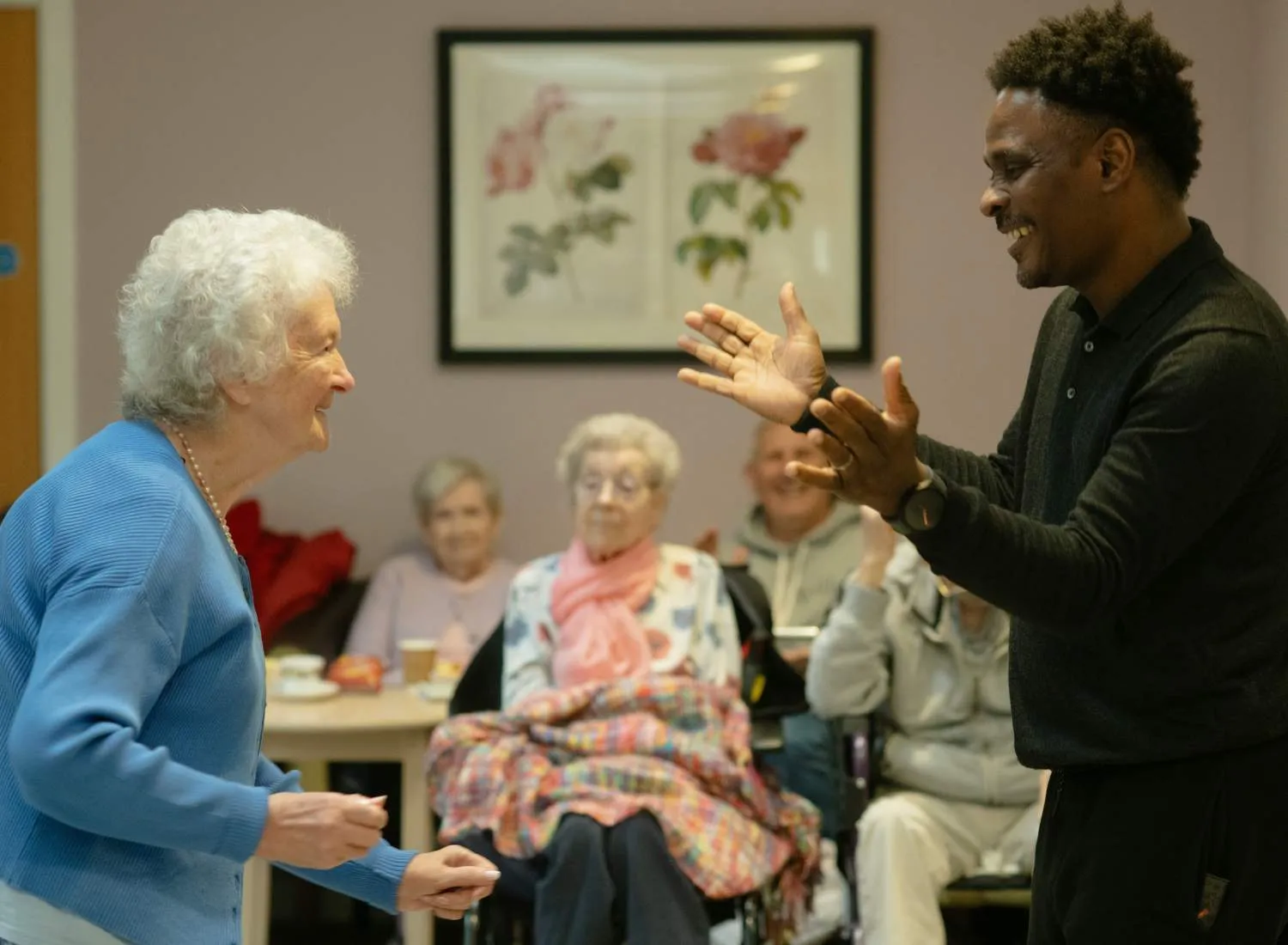
Physical therapy sessions, especially group ones, do double duty. Residents build strength while also building relationships with therapists and neighbors they see regularly.
That social piece matters more than people often realize. Staying connected with others helps protect both mental and physical health in older adults, while loneliness and isolation can take a real toll on well-being. The National Institute on Aging has published extensive research on this connection.
Group therapy sessions give residents a built-in reason to look forward to seeing familiar faces, which can make the whole experience feel less clinical.
#4: Includes a Variety of Fun Activities
Physical therapy in assisted living doesn't have to feel like a chore. Many programs blend movement with things residents genuinely enjoy, including:
- Music-based movement sessions
- Dance classes
- Yoga or tai chi
- Chair volleyball or other seated games
When therapy feels more like a fun wellness activity than a task, residents are far more likely to show up and stick with it.
#5: Provides Assistive Device Training, When Needed
Learning to use a cane or walker correctly isn't as simple as it sounds, and getting it wrong can actually increase fall risk rather than reduce it. Canes, for example, can help offload a weak or painful limb, but they're also the least stable of common assistive devices and require enough balance and coordination to use safely. The American Academy of Family Physicians has published clinical guidance on proper device selection and use.
A physical therapist can assess which device actually fits a resident's needs, then teach proper technique so it becomes a source of confidence rather than a hazard.
#6: Promotes Endurance and Stamina
Feeling constantly tired makes it hard to enjoy much of anything. Building endurance through consistent, moderate activity can change that.
Regular aerobic activity, sometimes called endurance or cardio exercise, strengthens the heart, lungs, and circulatory system over time, and can also help lower the risk of common age-related conditions like diabetes and heart disease. The National Institute on Aging offers detailed guidance on building endurance safely at any fitness level.
Even short, low-intensity sessions on a stationary bike or treadmill can add up, giving residents more energy for the social and recreational parts of their day.
#7: Teaches Pain Management Techniques
Chronic pain can quietly shrink a person's world, making them less willing to move, socialize, or stay active. Physical therapy offers a way to manage that pain without relying solely on medication.
Research on non-pharmacological pain management approaches for older adults has found that non-drug interventions, including targeted exercise, can meaningfully lower pain intensity for many people. You can find the full review through the National Institutes of Health.
#8: Instructs in Gait Training
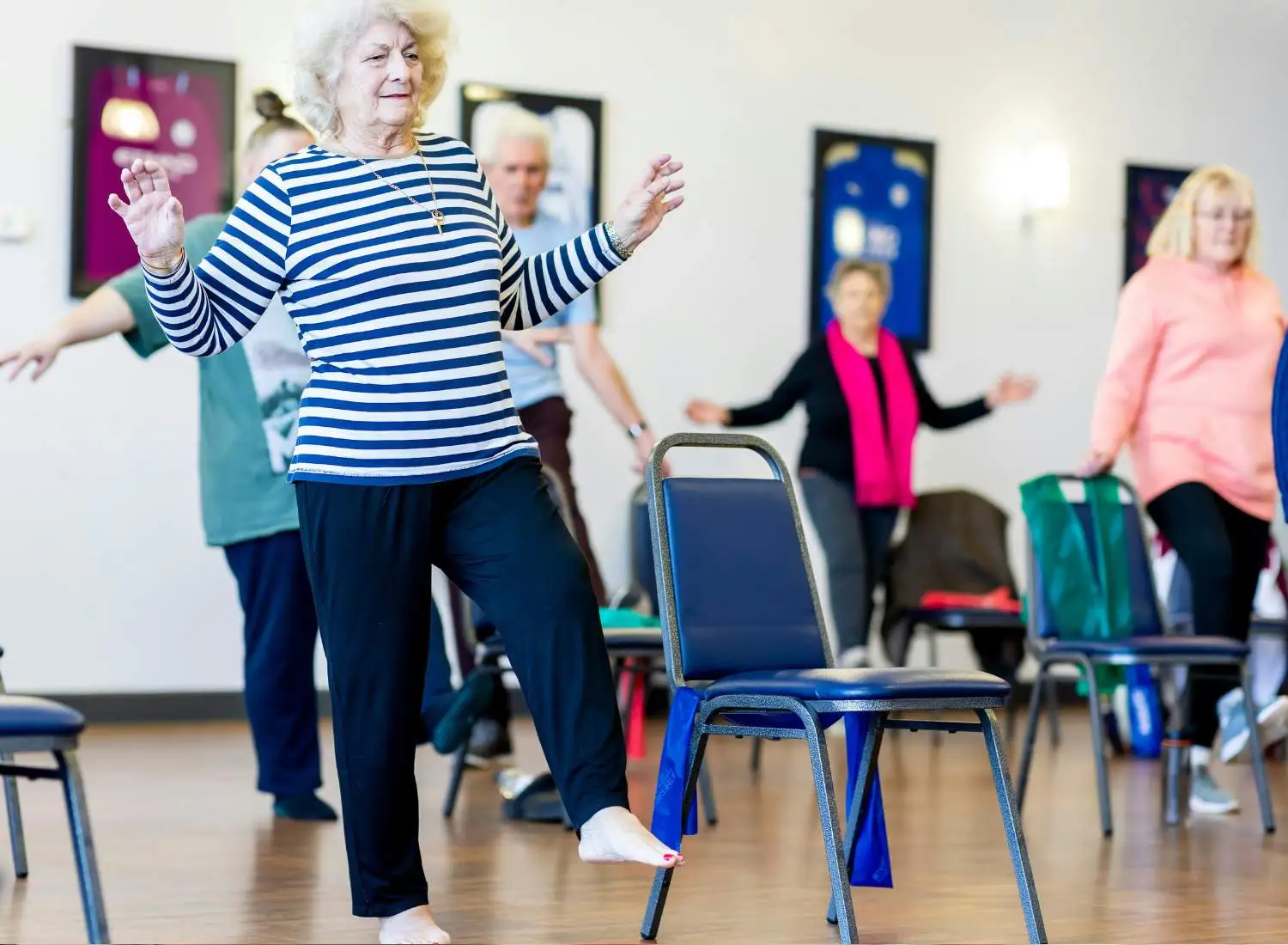
The way someone walks says a lot about their fall risk, and gait training is one of the most direct ways physical therapists address it.
Clinical guidelines from physical therapy researchers show that multicomponent exercise programs incorporating gait, balance, and functional training can reduce fall risk by as much as 35 percent. The full guidelines are available through the Journal of Geriatric Physical Therapy.
Gait training focuses on the specifics, like stride length, posture, and weight shifting, so walking feels steadier and safer with every session.
At Spring Home, we believe getting older shouldn't mean giving up independence. Our physical therapy program is built around each resident's real needs, whether that's recovering from surgery, building confidence after a fall, or simply staying strong enough to enjoy daily life.
The care team at our assisted living community in Galloway, NJ, works closely with residents and their families to create a plan that actually fits, not a one-size-fits-all routine. If you're exploring assisted living options for a loved one, we'd love to talk about how our approach to physical therapy can support their next chapter.