Assisted Living Decorating Ideas: How To Make a Small Space Feel Like Home
The bulletin board is empty. So is the wall where a gallery of family photos should hang.
For many new residents, the first few days in an assisted living room feel like standing in a hotel that isn't quite home yet. The bed is made, the closet is empty, and the space is clean but unfamiliar.
That feeling doesn't have to last long. Decoration is one of the few parts of this transition a family or resident can control, and it can become an ongoing source of comfort and satisfaction. Here are assisted living decorating ideas that work within most communities’ rules and can inspire you as you make your or your loved one’s living space feel like home.
Table of Contents
- Know Your Community's Decorating Guidelines Before You Start
- What Can You Decorate in Assisted Living?
- 3 Ways To Personalize a Small Assisted Living Room
- How Do You Decorate an Assisted Living Door for the Holidays?
- Decorating Tips for Memory Care Residents
- Personalize Your Space at Spring Home
Know Your Community's Decorating Guidelines Before You Start
Most communities restrict painting walls, structural modifications, and certain hanging methods. This protects fire safety, minimizes liability, and keeps shared spaces livable for everyone.
Asking the right questions before buying frames or wreaths saves a lot of wasted effort. A family that shows up with a heavy mirror and a can of paint may end up returning both.
Before you decorate, ask your community:
- What surfaces can we decorate (walls, doors, windows)?
- Are there weight limits on hung items?
- What adhesive or hanging methods are permitted?
- Are there fire code limits on combustible decorations?
- Are door decorations handled differently than room decorations?
Families researching these details are often already deep into a bigger decision: figuring out when it's time to move to assisted living. Decorating questions tend to come up naturally in that same planning conversation, once a community has been chosen and a move-in date is on the calendar.
Have questions about what's possible in your loved one's new space? Reach out to us, and we'll walk you through exactly what's allowed at Spring Home, room by room and door by door.

What Can You Decorate in Assisted Living?
The specifics vary by community, but the following additions are generally acceptable items for decoration:
- Photos, artwork, and wall décor
- Soft furnishings like throws and pillows
- Small furniture pieces
- Door décor
Most communities draw the line, however, if decorations involve:
- Structural changes, like painting or altering flooring
- Open flames or highly flammable materials
- Anything that blocks a doorway or walkway
Removable adhesives like Command-style hooks are usually the safest bet for hanging anything, since they won't damage walls or trim. Personal furniture pieces, like a favorite reading chair or a small side table, are typically welcome as long as they don't crowd walking paths.
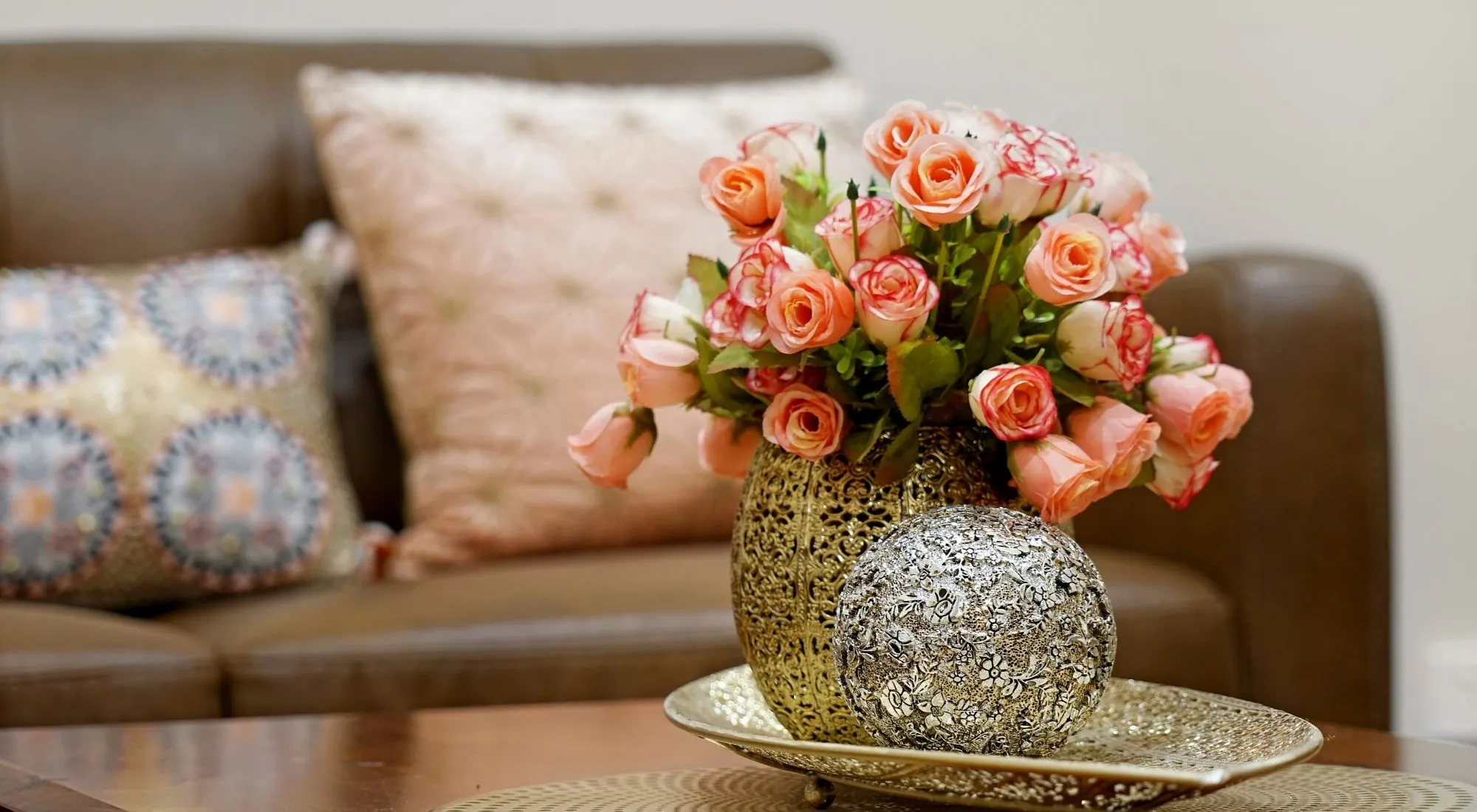
Families often wonder about decorating with plants. Many communities allow residents to bring in real plants, though some types are restricted. If you choose to incorporate real greenery or florals into the space, it may be wise to stick with low-maintenance plants. Real plants add life to a room but require watering and occasional pruning, which can be a lot to manage for a resident with limited mobility. Artificial plants solve that problem without sacrificing the look, and they're a safer option if pets are part of the picture.
At Spring Home, we support residents’ desires to personalize their assisted living rooms to make the space more pleasant and reflective of their personal taste.

3 Ways To Personalize a Small Assisted Living Room
Personalizing a small room comes down to what a resident sees, touches, and can move around safely each day.
#1: Wall and Photo Displays
Family photos and artwork are usually the first things residents want on their walls, and for good reason. Familiar faces do more to settle a new room than almost anything else.
A few practical notes make this easier:
- Hang photos at seated eye level for easy viewing.
- Use Command-style removable hooks instead of nails.
- Rotate a few small frames instead of committing wall space to one large piece.
Many residents at Spring Home like to swap out a few frames each season, which keeps the display current without adding clutter.
#2: Sensory Touches That Feel Like Home
Not everything that makes a room feel like home is something you see. Texture, scent, and sound do a lot of the work, often for less money than a piece of art.
A soft throw blanket from home, a small speaker playing a favorite playlist, or a light, familiar scent can all do more for comfort than a wall's worth of decoration. For more assisted living decorating ideas, do some research, look at other residents’ spaces, or ask us how we can help.
#3: Furniture That Fits the Space
Furniture choices affect both comfort and safety in a small room. A storage ottoman doubles as seating and a place to tuck away blankets or photo albums, which keeps clutter off the floor.
Clear walking paths are essential for resident safety. Between 20 and 30 percent of falls in long-term care facilities are preventable through proactive measures such as keeping the space neat, having properly sized furniture with rounded edges, and placing it strategically to prevent falls.

How Do You Decorate an Assisted Living Door for the Holidays?
Lightweight, flame-retardant items attached with removable adhesive, like a small wreath, a seasonal flag, or a paper cutout, work well for most communities and typically comply with fire code limits. These assisted living door decorating ideas add personality without breaking any rules.
Heavier items, anything flammable, or decorations that block the door from opening fully should be avoided. Beyond the rules, door décor tends to serve a social purpose. A seasonal wreath or a handmade sign gives neighbors and visitors something to comment on, which can turn a hallway walk into a quick conversation and a new connection.
Decorating Tips for Memory Care Residents
According to the National Center for Assisted Living, roughly 44 percent of assisted living residents live with some form of cognitive impairment, and decoration for this group follows a different set of principles than a standard room.
A few adjustments make a real difference for residents living with dementia:
- Solid colors instead of busy patterns, which can appear to move or shift for someone living with dementia.
- Uncluttered surfaces so residents can find what they need without added confusion.
- Mirrors removed or covered, since they can cause distress if a resident doesn't recognize their own reflection.
- Simple labels on drawers and cabinets, paired with strong color contrast between furniture and walls, to support navigation and independence.
None of this requires a bare or clinical room. It means choosing calm over busy, and clear over cluttered.
Personalize Your Space at Spring Home
Every resident who moves into our assisted living community in Galloway, NJ brings their own history with them, and we want their room and their door to reflect that. Family photos, favorite chairs, seasonal wreaths, and soft familiar textures are all part of what makes a room feel like it belongs to them.
We'd love to walk you through what personalization looks like in person. Schedule a tour, call us at 609-404-1099, or reach out to us anytime to learn more about life at Spring Home.