Adjusting to Assisted Living: What To Expect and How To Help
The phone rings at 8 p.m. It's your mother, and she's crying. She wants to come home. She says she made a mistake, that no one there feels familiar, and that she doesn't belong.
As your stomach drops, you start wondering if you made the wrong decision. Did you rush things? Should I drive over right now and undo it all?
Take a breath. This scenario, painful as it is, happens to countless families in the first few weeks after a move to assisted living, but it doesn't mean the decision was wrong.
This article walks through how long adjusting to an assisted living facility typically takes, what the process tends to look like, and what helps a loved one settle into their new community.

Table of Contents
- How Long Does It Take To Adjust to Assisted Living?
- Why the First Few Weeks Can Feel the Hardest
- 3 Keys for a Smoother Transition to Assisted Living
- How Involved Should Family Be During the Adjustment to Assisted Living?
- Find Support for Adjusting to Assisted Living at Spring Home
How Long Does It Take To Adjust to Assisted Living?
Most residents adjust within three to six months, though the first two to four weeks are typically the hardest. Adjustment speed varies with:
- Personality
- Health
- How connected the resident becomes to daily community life
The timeline for adjusting to assisted living isn't a straight line. A resident might have a wonderful first breakfast, meet a friendly neighbor at lunch, then feel completely overwhelmed by bedtime. Grief over leaving a longtime home doesn't resolve on a schedule, and new routines take real repetition before they feel natural. Forming a genuine friendship, the kind that makes a dining room feel less like a room full of strangers, simply takes weeks, not days.
A rough first two weeks isn't a predictor of long-term unhappiness. It's closer to the opposite: it's usually a sign that a resident is processing something real, and that processing is part of getting to the other side.
Wondering what a typical adjustment looks like for new residents at Spring Home? Our team of caring professionals talks families through this exact stage every week. Call us at 609-404-1099 or contact us online to ask what settling in looks like for someone with your loved one's specific needs.

Why the First Few Weeks Can Feel the Hardest
Somewhere around week two or three, a pattern shows up so often that care teams have a name for it: the adjustment dip. A resident who seemed to be settling in fine suddenly calls home upset, says they hate it there, or asks to be picked up.
What families hear on the phone and what the care team sees in person often look like two different people. A daughter might hang up convinced her father is miserable, while staff reports that same afternoon, he joined a card game and asked when lunch was being served. Both things can be true. Evenings and phone calls tend to surface loneliness in a way that a busy afternoon of activity doesn't.
When a loved one calls upset, it helps to acknowledge their feelings without rushing to fix them. Something like, "That sounds really hard. I hear you," goes further than arguing that they're wrong to feel that way. Then, gently, encourage giving it a bit more time rather than promising an immediate rescue.
Pulling a resident out of a dip, even temporarily, tends to reset the clock rather than solve the problem. The adjustment that feels so close often has to start over from the beginning, and the second attempt can carry even more anxiety than the first.

3 Keys for a Smoother Transition to Assisted Living
#1: Social Connection
Friendships with peers and consistent staff relationships are strong predictors of a smoother adjustment because:
- Shared meals and group activities give residents a low-pressure way to meet neighbors without the formality of an introduction.
- Staff who quickly learn names, preferences, and routines help a new resident feel recognized as a person, not just a new arrival.
- Gentle encouragement toward activities works better than pushing since a resident who feels forced into an activity often withdraws further.
At Spring Home, care team members are trained to notice which residents need assistance with positive social connections and make quiet introductions over meals, since that first friendly face at a table often matters more than any planned activity.
#2: A Familiar, Personalized Space
Bringing photos, a favorite chair, or familiar bedding helps a new room feel like home faster than blank walls and hotel-style furniture ever will:
- Personal items act as anchors, giving the eye something familiar to land on in an otherwise new space.
- Keeping small pre-move habits intact, like the same wake-up time or the same brand of morning coffee, reduces the number of things that feel different all at once
- Residents who bring a pet along often adjust more easily, since a familiar animal companion provides comfort that doesn't depend on meeting new people first. Spring Home's pet-friendly living policy exists for exactly this reason.
#3: Staying Physically and Mentally Active
Light activity and consistent programming support mood and sleep quality during a transition that can otherwise throw off both.
- Chair exercise or short walking groups keep the body moving without demanding more than a resident can give in week one.
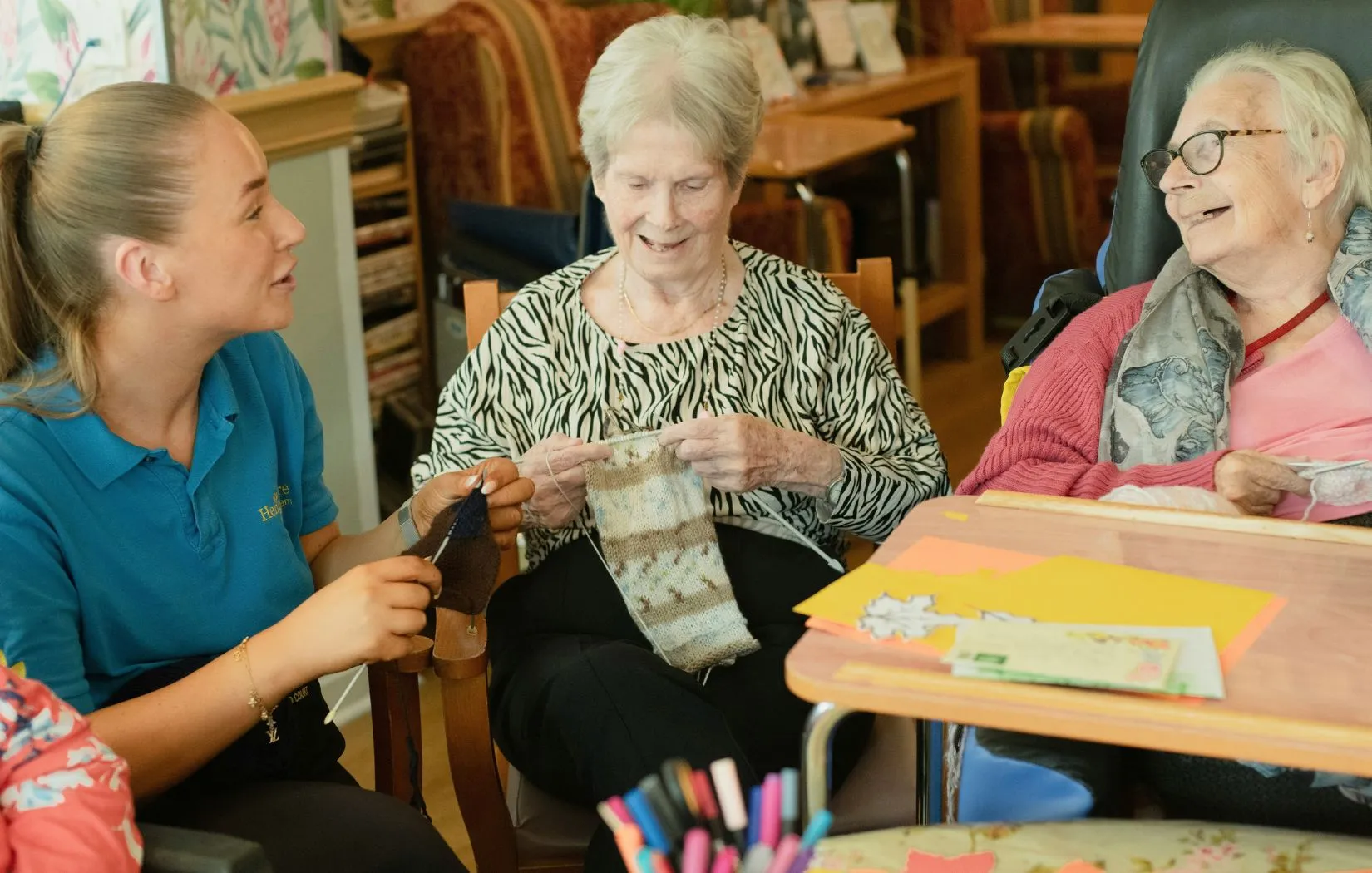
- Hobby-based activities tied to past interests, whether that's gardening, painting, or an old card game, feel less like "programming" and more like something the resident already enjoys.
- Patience matters here. A resident who declines the first three invitations to join an activity isn't a lost cause, and staff who keep the door open without pressure often see that same resident join in on their own timeline.
How Involved Should Family Be During the Adjustment to Assisted Living?
There's a delicate balance between staying present and giving space, and it's easy to lean too far in either direction. Visiting so often that a parent never has to sit through a meal or activity alone can unintentionally slow down their social integration into the community.
A general guideline many families find useful is regular but not constant. Frequent enough that a loved one knows they haven't been forgotten, while being spaced out enough that there's room for new relationships to form on their own. Some residents, particularly those coming from a more active independent living arrangement, settle into community life at their own pace as the place's structure and social rhythm become familiar.
Stepping back doesn't mean disappearing. It means trusting the process and the care team enough to let a parent build their own footing in the new community.
Find Support for Adjusting to Assisted Living at Spring Home
A difficult first few weeks are common, and they aren't a sign the move was wrong. Most families who've been through this same phone call, the same guilt, the same second-guessing, look back a few months later and see a parent who's settled, connected, and glad to be exactly where they are.
Spring Home is an assisted living community in Galloway, NJ, that supports both residents and their families as they adjust to assisted living, from the first disorienting days to when the community starts to feel like home.
Schedule a tour, call us at 609-404-1099, or reach out online to learn more about our caring community and how we can help make adjusting to an assisted living facility much easier.